This great article on the next paragraphs in relation to General Plumbing Tips for New Homeowners is highly interesting. Have a go and make your own personal ideas.
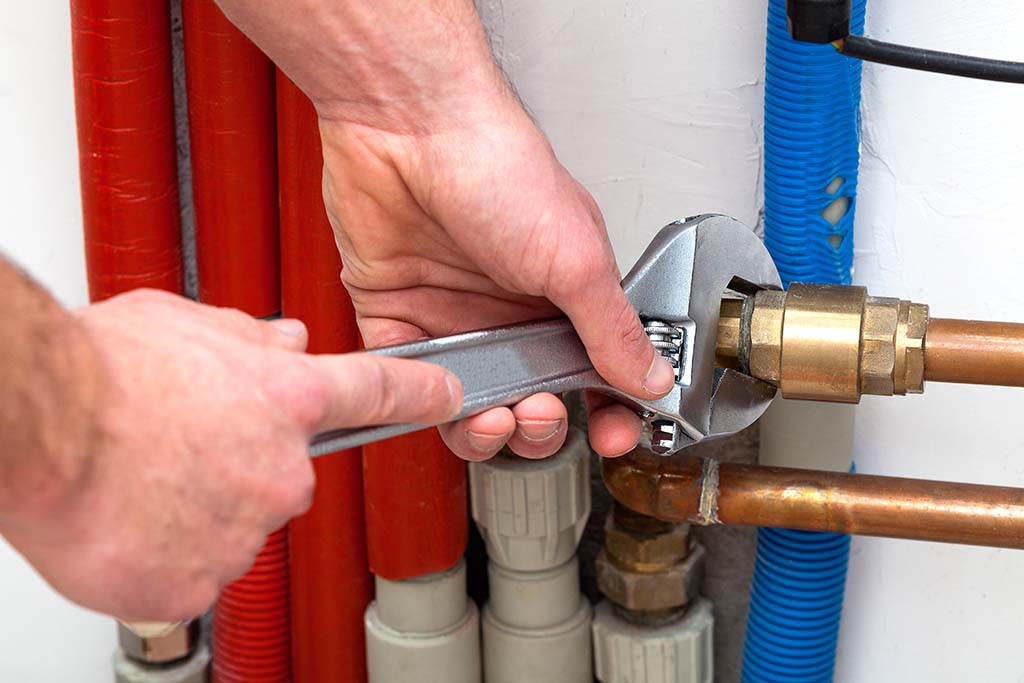
For brand-new home owners, understanding and keeping restroom plumbing can save both money and time by avoiding pricey concerns down the line. Below are some essential restroom plumbing pointers to aid you maintain every little thing running efficiently.
Familiarize Yourself with the Main Shut-Off Shutoff
Recognizing where the primary water shut-off valve is located in your house is vital. This permits you to swiftly shut off the water system in case of major leakages or throughout plumbing emergency situations, stopping comprehensive water damages.
Routinely Check for Leaks
Small leaks can lead to big troubles. Routinely inspect under sinks, around toilets, and near plumbing components for any indications of leakages. Look for moisture, tiny drips, or rust. Catching and fixing leakages early can stop more severe damages and save water.
Don't Disregard Slow Drains
If your sink or bath tub is draining pipes slowly, it's frequently a sign of an obstruction forming. Addressing this very early can prevent a total clog. Use a bettor or a plumber's snake to remove particles. Avoid utilizing chemical drain cleaners as they can damage your pipes in time.
Know What Not to Flush
Toilets are not garbage disposals. Prevent flushing anything aside from bathroom tissue and human waste. Products like wipes, feminine hygiene products, and cotton bud ought to be disposed of in the garbage to avoid clogs and sewage system back-ups.
Set Up Strainers in Drains
Place filters in your sink and bath tub drains to catch hair and various other debris before they enter your plumbing system. Cleaning the strainers regularly will assist stop buildup and keep water moving freely.
Preserve Your Water Heater
Guarantee your water heater is set to an appropriate temperature (commonly about 120 degrees Fahrenheit) to prevent scalding and lower energy use. Flush the container each year to eliminate sediment accumulation, which can decrease the performance and life-span of your heater.
Upgrade Your Components
If your home has older fixtures, consider upgrading to a lot more effective models. Modern bathrooms, showerheads, and faucets are made to utilize less water while giving great pressure, which can considerably reduce your water expense and environmental impact.
Beware with DIY Pipes Repair Works
While it's tempting to deal with all home fixings on your own, beware with pipes. Some problems could call for specialist know-how, specifically if they entail primary water lines or sewage system repair work. Employing an expert can occasionally be more affordable than DIY, particularly if it stops additional damages.
Get Ready For Cold Weather
Protect your pipes from cold throughout winter by protecting pipes in unheated areas like basements, attics, and garages. Throughout severe chilly, let cold water drip from taps served by exposed pipes to aid protect against cold.
Set Up Normal Upkeep
Take into consideration scheduling yearly evaluations with a certified plumbing. They can identify problems that you may miss out on, such as covert leakages or damage on pipes and components. Regular maintenance helps extend the life of your plumbing system and can protect against emergency situations.
Conclusion
Understanding and keeping your home's restroom pipes can stop many common problems. By complying with these important suggestions, you can guarantee your restroom remains practical and efficient, saving you time and money over time.
Plumbing Tips for New Homeowners: What Every Homeowner Should Know
Becoming a homeowner is a significant achievement, but it’s only the beginning of a journey filled with responsibilities. Understanding and maintaining your property’s plumbing system is crucial among the countless tasks of owning a home. Most homeowners disregard their plumbing until a problem arises.
Some issues include a leaky faucet, a toilet that won’t stop running, or the unexpected inconvenience of flooding that can quickly turn a dream home into a nightmare. Moreover, using the wrong type of toilet paper or ignoring broken bolts can lead to significant problems that result in costly property damage.
Fortunately, several issues can be prevented with some knowledge and proactive care. As a trusted plumber in North Charleston, SC, Smoak’s Comfort Control is here to guide you through the essentials of residential plumbing. Here are ten plumbing tips every homeowner should know to avoid major problems and ensure a smoothly running system.
Locate the Main Water Shut-Off Valve
Before anything else, familiarize yourself with the location of the main water shut-off valve in your home. This valve controls the water supply to your entire home. In case of a significant leak or plumbing emergency, shutting off this main shut-off valve can prevent extensive and costly water damage. These are typically located near the water meter or where the main water line enters your home.
Assemble a Plumbing Emergency Kit
Crescent wrenches Plunger Pipe sealant Plumber’s tape Screwdrivers Drain snake or toilet auger Understand Your Garbage Disposal
Your garbage disposal is a handy kitchen appliance designed to handle only some things. Avoid putting waste like eggshells, coffee grounds, and grease down the disposal. These can lead to clogged drains and damage the disposal blades. Remember to run cold water while the disposal is on and avoid using harsh chemicals for cleaning.
Prevent Clogged Drains
Installing a mesh drain cover in sinks and showers.
Avoid flushing non-biodegradable items down the toilet.
Regularly clean drain stoppers to remove hair and debris.
Monitor Your Water Heater
Your water heater is crucial in providing hot water for your home. Regularly inspect it for any signs of leaks or corrosion. Set the temperature to around 120 degrees F to prevent scalding and reduce energy consumption. If you notice any issues, consider consulting a professional plumber.
Water Heater Maintenance
Drain the tank: Drain your water heater tank at least once a year to remove sediment buildup.
Check the pressure relief valve: This valve releases excess pressure from the tank. Ensure it functions correctly.
Inspect the anode rod: This rod prevents rusting inside the tank. Replace it if it’s corroded.
Protect Your Pipes
Exposed pipes, especially those in unheated areas, are susceptible to freezing during cold months. Insulating these pipes using foam or fiberglass sleeves can prevent them from bursting. Additionally, let faucets drip slowly during extreme cold weather to reduce the pressure in the pipes.
Another common issue homeowners face is clogged drains due to inappropriate items being flushed down the toilet. While it might seem harmless, flushing toilet paper that’s not septic-safe or other non-biodegradable items can lead to significant blockages. Furthermore, avoid pouring cooking oil or greasy substances down the drain, as they can solidify and cause obstructions.
Regularly checking your pipes for signs of wear, rust, or damage can help you address potential issues before they escalate.
Be Prepared for Leaks
Water leaks can lead to costly repairs and significant water wastage. Regularly inspect areas under sinks, behind toilets, and around appliances for signs of moisture or water stains. The main water shut-off valve is your best friend in case of a significant leak. Knowing its location and how to operate it can save you from extensive water damage. Turn off the main water shut-off valve and then close all the supply valves in your home. This will stop the water flow and allow you to identify the source of the leak. Be cautious about using chemical drain cleaners as they can be harsh on your pipes and might exacerbate the problem. Instead, opt for natural solutions or consult a plumbing professional. Also, watch your water heaters and toilet bowl for any signs of leaks or malfunctions.
Know When to Call a Professional
While DIY solutions can address minor plumbing issues, some problems require the expertise of a professional plumber. If you need clarification on the situation or if the plumbing problem continues, it’s best to seek professional help.
Schedule Appointment