We have uncovered this post pertaining to 5 Benefits of Tankless Water Heaters below on the internet and think it made good sense to share it with you on this site.

In a world where benefit and performance preponderate, it's no surprise that house owners are frequently on the lookout for smarter methods to manage their home's power consumption and convenience. One development that has continuously gained popularity is the tankless water heater. Yet just what makes these systems stand out from the conventional tank-based models a lot of us matured with? Allow's dive in and discover the advantages of tankless water heaters, helping you choose if it's time to make the switch in your house.
Intro
Photo this: you step into the shower after a lengthy day, anticipating a relaxing cascade of warm water, only to be greeted by icy beads since the last person utilized everything up. Audio acquainted? Standard hot water heater keep a fixed quantity of hot water, suggesting you're at the grace of that container's supply. Tankless systems, on the other hand, warm water as needed. No more running out mid-shower, say goodbye to fumbling with schedules just to make certain warm water is offered.
Recognizing Tankless Hot Water Heater
What Are Tankless Hot Water Heater?
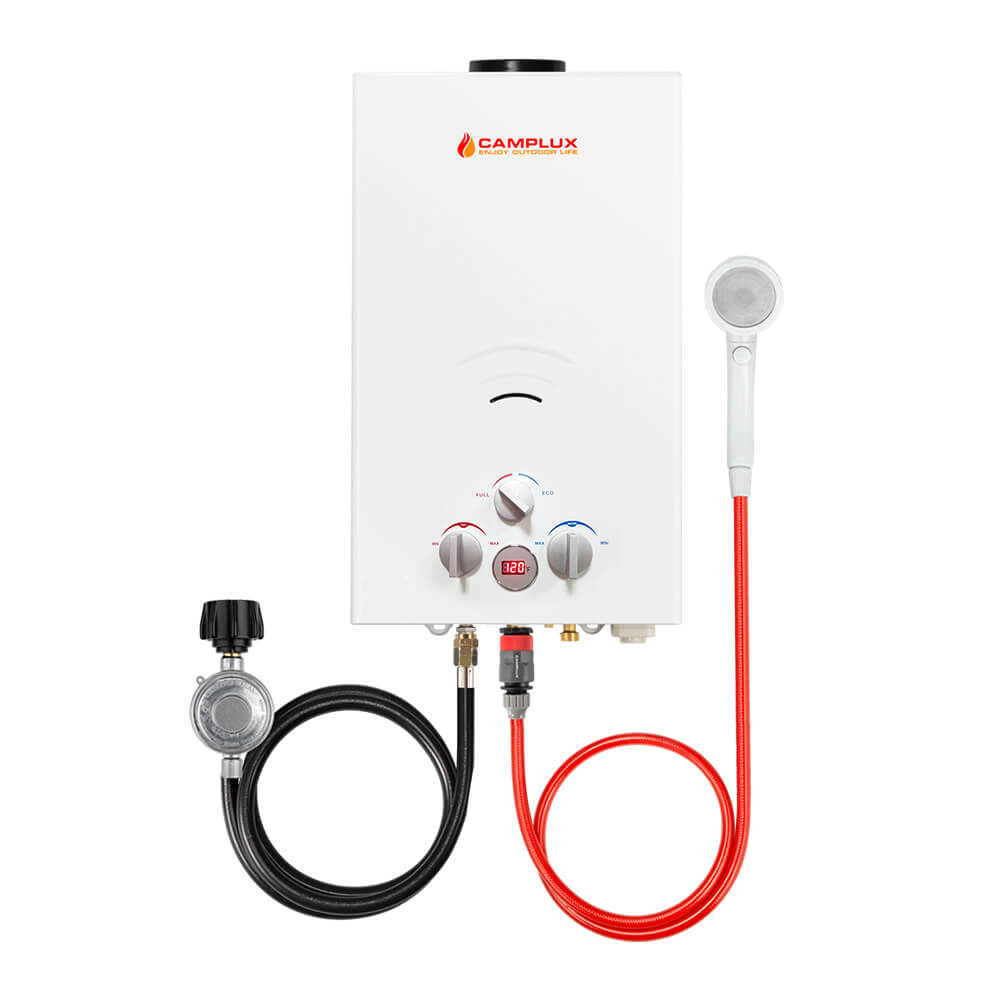
Tankless hot water heater, occasionally called on-demand or immediate hot water heater, provide warm water only as it's required. As opposed to storing gallons of pre-heated water, these units kick right into activity the moment you turn on the faucet. Water passes through a warmth exchanger, warming up in real-time, implying you get a nonstop flow of hot water without the need for a huge storage tank sitting lazily by.
How Do They Vary from Traditional Systems?
Conventional heating units hold a reservoir of hot water, making use of power to keep that storage tank at a constant temperature. Tankless devices eliminate the standing supply, cutting down on wasted energy and the bulky footprint of a big cyndrical tube. Basically, you're upgrading from a "stockpile" frame of mind to a "made-to-order" technique.
Usual Sorts Of Tankless Units
Tankless water heaters normally can be found in 2 selections: gas and electric. Gas models tend to deliver higher circulation rates, perfect for larger families, while electric models commonly serve smaller homes and are normally much easier to set up. Additionally, some systems are made for point-of-use (offering one fixture) while others can handle the entire home's warm water requirements.
Secret Benefits of Tankless Hot Water Heater
Power Efficiency and Expense Cost Savings
Say goodbye to warming a giant storage tank's worth of water and keeping it toasty all day. Tankless heaters reduce standby power losses, which can reduce utility expenses. While the preliminary expense might be greater, the lasting cost savings typically justify the financial investment.
3. Space-Saving Layout
If your home is short on storage space, eliminating the bulky container frees up beneficial area. Tankless units are small and can often be placed on walls, hidden in edges, or installed in limited energy storage rooms without gobbling up the entire space.
4. Longer Life expectancy
A well-maintained tankless hot water heater can outlast its tank-based relative. Standard storage tanks could last 10-15 years, while tankless models can maintain downing along for twenty years or even more, making them a strong investment with time.
1. Countless Warm Water Supply
Ever had to set up showers so every person obtains their reasonable share of hot water? With tankless, that comes to be a distant memory. As long as the heater's circulation ability isn't exceeded, you can take back-to-back showers without becoming a popsicle.
5. Improved Water High Quality
Storing water in a storage tank can occasionally lead to sediment build-up or a slightly "off" preference. With tankless systems, fresh water is heated up instantly, decreasing the chances of debris build-up and potentially supplying cleaner-tasting water.
Considerations Prior To Switching
Though the benefits are engaging, it's wise to think about a couple of factors before totally committing.
Evaluating Your Home's Water Use Patterns
If your household at the same time uses numerous components with high warm water demand, see to it the system's circulation price satisfies your requirements. Understanding your usage patterns helps you choose the ideal size and type of tankless heating unit.
Maintenance and Treatment Tips
Tankless systems are relatively low upkeep, however they aren't set-it-and-forget-it appliances.
Normal Cleaning and Descaling
Hard water minerals can accumulate in the warm exchanger, affecting efficiency. Routine descaling (usually advised yearly) keeps the system going for peak performance.
Yearly Expert Evaluations
A yearly checkup from an expert ensures small issues are caught early. They'll examine the device's efficiency, seek leakages, and aid keep optimal efficiency.
Preliminary Financial Investment Costs
Tankless heaters usually include a higher in advance price tag. In between the unit itself and possible setup modifications, the preliminary cost might give you sticker label shock. However remember to see it as a long-lasting investment.
Setup Requirements
Depending on your home's infrastructure, you might need added electric ability or gas line upgrades. Ensure you understand the installment requirements and speak with a professional to stay clear of shocks.
Ensuring Proper Ventilation
For gas designs, appropriate ventilation is important to safely remove exhaust gases. Ensure venting systems are tidy and properly set up to stop any type of prospective safety dangers.
Contrasting Different Brands and Versions
Not all tankless water heaters are created equal.
Investigating Trustworthy Suppliers
Try to find respectable brand names with a background of producing quality units. A dependable producer typically supplies much better client support and longer service warranties.
Setup: DIY or Specialist?
While some house owners delight in tackling tasks themselves, tankless setup might not be the most effective time to break out the tool kit.
Advantages and disadvantages of Do It Yourself Setup
A DIY set up can save cash, but it includes threats. Wrong installation can bring about inadequacy or safety issues. If you come in handy and have experience, it could be possible-- however proceed with care.
Checking Out Reviews and Customer Feedback
User testimonials and feedback from neighbors or close friends that have gone tankless can offer useful insights. In some cases, real-life experiences can be much more telling than marketing brochures.
When to Call a Specialist Plumbing
For the majority of, calling a professional ensures everything's done appropriately. A specialist plumbing professional understands neighborhood codes, sizing demands, and venting parameters, decreasing the threat of problems.
Making best use of Effectiveness
You've bought a tankless system-- currently optimize its performance.
Optimum Temperature Settings
Most people set their devices between 120-140 F. Changing the temperature level can boost convenience and savings. Experiment to find a sweet area that doesn't lose energy.
Pairing with Low-Flow Fixtures
Intend to extend your unit's abilities? Think about setting up low-flow showerheads and taps. They lower water usage, permitting your tankless system to provide a consistent stream of warm water without straining.
Ecological Influence
Tankless hot water heater align with greener living objectives.
Lowered Carbon Footprint
By using much less power and only heating water as needed, tankless systems can lower your home's carbon impact, decreasing your ecological effect.
Preserving Natural Resources
Less power consumption and less wasted hot water equate right into less natural resources being used, an ecological win-win.
Who Profits Most from Tankless Heating systems?
The elegance of tankless heating units is that they can match a range of families.
Huge Family Members vs. Solitary Owners
Big households might enjoy the unlimited warm water supply, while single occupants value the power savings from not warming a whole tank for just a single person's morning shower.
Home Owners with Limited Area
If your home is short on square video, shedding the cumbersome storage tank frees up room for other essentials-- or perhaps simply extra elbow room.
Eco-Conscious Customers
Going tankless aligns with eco-friendly worths, ensuring you're not wasting power or sources.
Future Patterns in Tankless Hot Water Heater
The world of home appliances is ever-evolving, and tankless hot water heater are no exception.
Innovations in Technology
R&D is continuously improving warm exchangers, making units more reliable and resilient. Future versions may be also quieter, a lot more small, and much better matched for varying climates.
Smart Home Combination
Picture readjusting your water heater's temperature through an application or obtaining maintenance alerts on your phone. As clever home technology developments, we'll see even more connection and ease.
Final thought
Choosing a tankless hot water heater is more than just updating your home's hot water system; it's purchasing lasting comfort, power performance, and a greener way of life. By considering your house's water usage, bearing in mind installation requirements, and committing to regular upkeep, you can enjoy a consistent stream of hot water without the luggage of a large tank. As technology advances, you can expect also smarter, a lot more efficient tankless solutions that not only make your life less complicated but likewise profit the planet.
Pros and Cons of Tankless Water Heaters
Tankless Water Heater Pros
Saves Energy: Simply put, you re spending less energy to create hot water, so your total carbon footprint goes down, not to mention your bills. Lasts Longer Than Storage Tanks: Storage tank units need to be replaced every 15 years or so. But tankless units? They can last for 30 years before they give out on you. Constant Hot Water: Need to take a shower and don t want the water running cold? Awesome it won t. The water will stay hot the entire time because it creates hot water on demand. Saves You Money: Less water usage equals less money. Beyond that, you re not paying to keep water hot 24/7. Those savings add up quickly. Better for the Environment: Less water waste is better for everyone. It saves you money, but it s also environmentally conscious at the same time. Tankless Water Heater Cons
It Can Take a Minute: Depending on your specific unit and its placement, it can take anywhere from 10 seconds to 2 minutes to fully heat up. Because there s no storage tank, it heats water as you need it. Upfront Purchase Price: While we talked about their longevity, there s sticker shock when you look at brand-new tankless units to install. It pays for itself, but it s still a big chunk of change at first. Has its Limits: If you run multiple appliances at once, such as the dishwasher, washing machine, and maybe you take a shower at the same time, there might not be enough hot water. https://www.airsouthnow.com/blog/water-heater-service/pros-and-cons-of-tankless-water-heaters/
Hopefully you enjoyed our post about Unveiling the Hot Trend: The Benefits of Tankless Water. Thanks a ton for taking the time to read our article. Liked our piece of writing? Please share it. Let another person find it. Thanks a lot for being here. Revisit us soon.
Book Appointment Now