The content underneath involving Should you flush animal waste down the toilet is amazingly entertaining. Check it out for your own benefit and figure out what you think of it.

When it pertains to taking care of waste, specifically animal waste, lots of people usually resort to the hassle-free option of flushing it down the toilet. Nevertheless, this apparently easy service can have severe effects for the atmosphere and public health. In this post, we'll discover why flushing pet waste down the commode is a negative concept and provide alternative methods for correct disposal.
Intro
Correct garbage disposal is crucial for maintaining ecological sustainability and public health. While it might appear harmless to flush animal waste down the commode, it can bring about numerous concerns, both for the atmosphere and human well-being.
Threats of flushing pet waste
Environmental impact
Purging animal waste presents dangerous bacteria and microorganisms into rivers, which can negatively influence aquatic ecosystems. These microorganisms can contaminate water sources and injury marine life, interfering with fragile ecosystems.
Public health worries
Pet waste includes dangerous bacteria such as E. coli and Salmonella, which can pose major health and wellness threats to people. Purging animal waste down the toilet can infect water products, resulting in the spread of conditions and infections.
Alternatives to flushing
As opposed to flushing animal waste down the toilet, there are a number of different disposal techniques that are more eco-friendly and sanitary.
Composting
Composting animal waste is an environmentally friendly way to take care of it. By composting, organic matter is broken down into nutrient-rich soil, which can be made use of to feed yards and plants.
Garbage dump disposal
Throwing away animal waste in a garbage dump is another alternative. While not as environmentally friendly as composting, it is a safer choice to flushing, as it stops the contamination of water sources.
Family pet waste disposal systems
There are customized pet garbage disposal systems readily available that more info safely and hygienically take care of animal waste. These systems commonly use enzymes to break down waste and get rid of smells.
Steps to correct pet garbage disposal
To guarantee appropriate disposal of pet waste, adhere to these actions:
Scooping and nabbing waste
Consistently scoop and bag pet waste using biodegradable bags. This avoids waste from polluting the atmosphere.
Utilizing designated waste containers
Dispose of bagged pet waste in marked waste containers, such as garden compost bins or land fill bins. Prevent flushing it down the commode in all prices.
Cleaning up litter boxes and pet locations routinely
Frequently clean can and pet dog locations to avoid the buildup of waste and bacteria. Use pet-safe cleansing items to keep hygiene.
Advantages of correct disposal techniques
Adopting proper disposal techniques for pet waste uses several benefits:
Minimized environmental pollution
Proper disposal techniques reduce the danger of environmental pollution, protecting rivers and ecosystems from contamination
Lessened threat of water contamination.
By avoiding flushing animal waste down the bathroom, the risk of water contamination is dramatically lowered, protecting public health.
Enhanced cleanliness and hygiene
Appropriate disposal techniques advertise much better cleanliness and hygiene, developing a more secure setting for both human beings and pets.
Final thought
To conclude, flushing animal waste down the commode is unsafe to the setting and public health. By embracing alternate disposal techniques and following proper waste monitoring methods, we can reduce the adverse effect of animal waste and add to a cleaner, healthier earth.
What To Do With Dog Poo – The Do's And Don'ts Of Disposing Of Faeces
Dog poo bins
Some councils provide dedicated dog waste bins in popular dog-walking areas that can take dog poo that has been bagged but you can legally dispose of dog waste in any public litter bin, as long as it is securely bagged. This also applies to your wheelie bin at home.
Do not flush
Water companies do not recommend flushing dog faeces down the toilet because certain parasites can survive the water processing treatment and are potentially harmful to humans. You should also never consider flushing dog poo that has been bagged down the toilet as the bags will not break down and instead create severe blockages in the sewage system.
In the woods
The Forestry Commission promotes a ‘stick and flick’ method for dealing with waste in the woods. This means finding a stick and using it to flick any poo from off the path so that it is out of the way of other walkers. You could also bury it as long as it is not in an area where there might be livestock.
Livestock
Parasites found in dog poo can be transmitted to livestock if they inadvertently eat infected faeces that has been left on grazing land. This could result in the death of sheep or abortion in cattle so you should always make sure you pick up your dog’s waste in fields where livestock could be present.
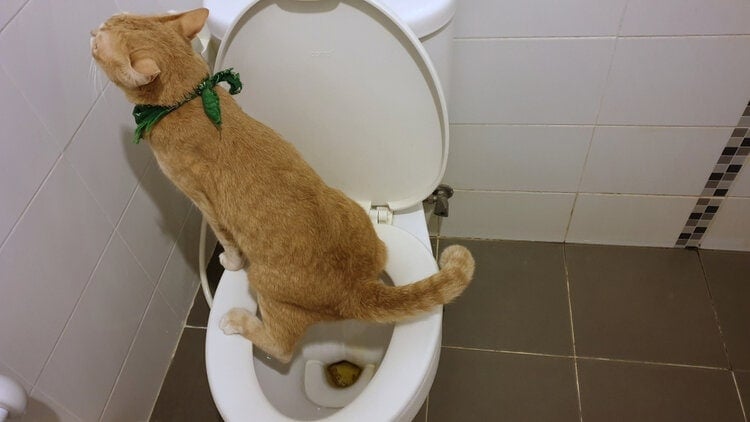
Frequently clean can and pet dog locations to avoid the buildup of waste and bacteria. Use pet-safe cleansing items to keep hygiene.
Advantages of correct disposal techniques
Adopting proper disposal techniques for pet waste uses several benefits:
Minimized environmental pollution
Proper disposal techniques reduce the danger of environmental pollution, protecting rivers and ecosystems from contamination
Lessened threat of water contamination.
By avoiding flushing animal waste down the bathroom, the risk of water contamination is dramatically lowered, protecting public health.
Enhanced cleanliness and hygiene
Appropriate disposal techniques advertise much better cleanliness and hygiene, developing a more secure setting for both human beings and pets.
Final thought
To conclude, flushing animal waste down the commode is unsafe to the setting and public health. By embracing alternate disposal techniques and following proper waste monitoring methods, we can reduce the adverse effect of animal waste and add to a cleaner, healthier earth.
What To Do With Dog Poo – The Do's And Don'ts Of Disposing Of Faeces
Dog poo bins
Some councils provide dedicated dog waste bins in popular dog-walking areas that can take dog poo that has been bagged but you can legally dispose of dog waste in any public litter bin, as long as it is securely bagged. This also applies to your wheelie bin at home.
Do not flush
Water companies do not recommend flushing dog faeces down the toilet because certain parasites can survive the water processing treatment and are potentially harmful to humans. You should also never consider flushing dog poo that has been bagged down the toilet as the bags will not break down and instead create severe blockages in the sewage system.
In the woods
The Forestry Commission promotes a ‘stick and flick’ method for dealing with waste in the woods. This means finding a stick and using it to flick any poo from off the path so that it is out of the way of other walkers. You could also bury it as long as it is not in an area where there might be livestock.
Livestock
Parasites found in dog poo can be transmitted to livestock if they inadvertently eat infected faeces that has been left on grazing land. This could result in the death of sheep or abortion in cattle so you should always make sure you pick up your dog’s waste in fields where livestock could be present.
Do you appreciate more info about ? Try leaving a remark below. We would be pleased to find out your insights about this article. Hoping that you visit us again in the near future. Appreciated our blog? Please share it. Help someone else locate it. Thank-you for taking the time to read it.
Show Details